SS Plate Supplier In Bhopal
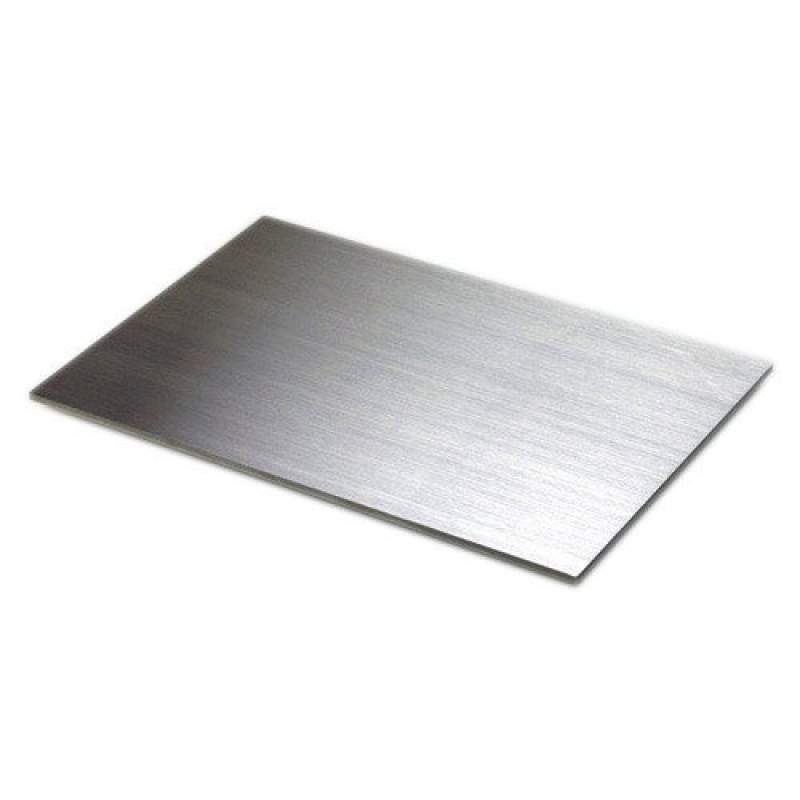
Details of SS Plate
Engage with reliable SS plates in Bhopal that offer good strength and fit well into your projects. These plates resist wear and tear, but slag formation can affect surface quality during production. Understanding how slag forms helps in choosing the right product for consistent results.
Slag usually builds up when impurities in raw materials react at high temperatures. This causes rough patches or weak spots on the plate surface, which might lead to problems later like corrosion or difficulty in finishing. It's not always visible immediately but shows up after some use. Controlling temperature and raw material quality during manufacturing reduces slag issues substantially.
Where Stainless Steel Plates Find Use
| Area | Role |
|---|---|
| Construction | Structural frameworks, cladding surfaces |
| Fabrication | Mold making, machine parts, tool bases |
| Industrial Equipment | Chemical tanks, heat exchangers, pipelines |
The versatility of these plates comes from their durability and ability to handle stress without deforming easily. You see them a lot in places demanding both strength and clean looks.
Our approach is practical: focus on steady output that meets specs instead of flashy one-offs. Skilled hands watch every step—from cutting to final inspection—to catch defects like slag early on. We rely on solid inputs rather than just standards paperwork alone; this lets us keep long-term ties with clients who trust our consistency more than promises.
Clients get products built for real-world conditions rather than lab-perfect samples that fail when put to use outside controlled setups (and yes, this difference matters a lot). The goal stays simple—good steel plates that don’t cause headaches down the line.
Offered Product
